 |
| Henry Louis based his documentary on his book "The Stoney Road" |
On April 9, 1865, Robert E. Lee surrendered to Ulysses S. Grant at Appomattox. The war was over. So was slavery in the United States.
But the story didn't end there.
Black soldiers had helped win that freedom themselves, fighting to liberate their own brothers and sisters. Just two days after Appomattox, Lincoln announced that Black men should be allowed to vote. Then John Wilkes Booth killed him.
What followed was Reconstruction: America's attempt to answer a question it had never really settled. Who counts as a citizen? Who gets to become one?
The North and South saw this process completely differently.
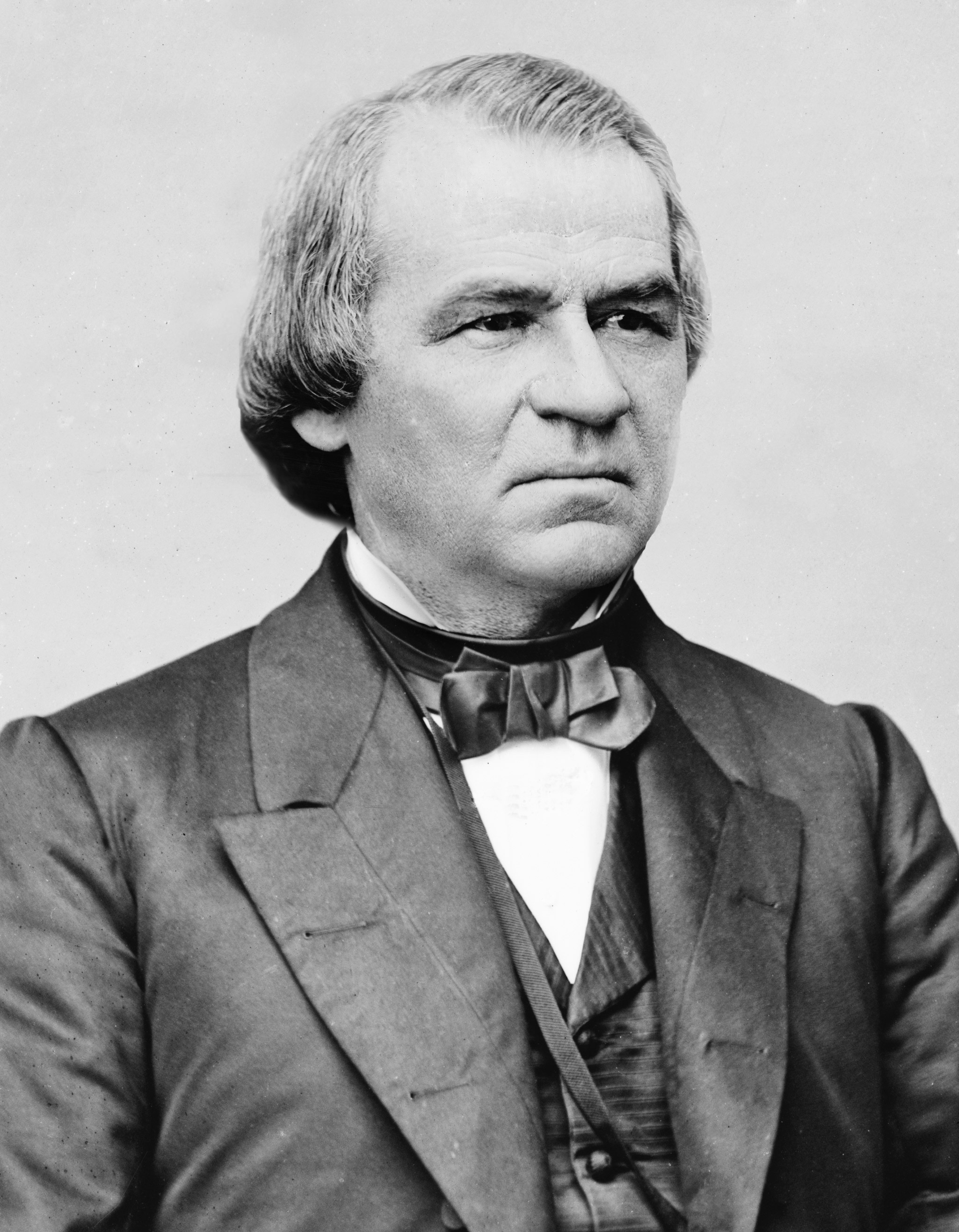
Andrew Johnson became president only because his predecessor was assassinated. I find it interesting that Johnson, a southerner, had actually opposed secession. But Frederick Douglass didn't trust him, calling him "no friend to the Black man." Johnson proved Douglass right, granting amnesty to most white southerners and helping them keep African Americans under control. It felt like a power trip for a man once begged for mercy by people he despised.
The government's failure to redistribute land, the idea of "40 acres and a mule," is a concept I find genuinely compelling and upsetting as the execution failed completely, and Black Americans were left economically dependent for decades.
What moved me most, though, was learning how freed families spent years, sometimes decades, searching for relatives lost to slavery. Which is heartbreaking.
Still, the numbers are staggering. Roughly a thousand Black men held political office during this era. That's incredible considering the black codes, Jim crow laws, and attempts to withhold Black people from politics.
The Ku Klux Klan was founded in Tennessee in 1866. They and other white Americans massacred tons of black soldiers and black people for celebrating their freedom. The backlash was swift and violent.
Yet out of that violence came real change because it led to the Civil Rights Act of 1866, the 14th Amendment, and Black Americans arming themselves to be able to vote in elections.
Reconstruction didn't just rebuild a nation. It revitalized American democracy itself.
AI DISCLOSURE: For this AI-assisted assignment, I used Claude AI to help organize my notes from a documentary into a draft for a blog post. I made sure to tell Claude to not do its own research and how long the blog draft was supposed to be. Even though Claude made the draft to make it sound first person I edited it to be my own words.

No comments:
Post a Comment